
Description
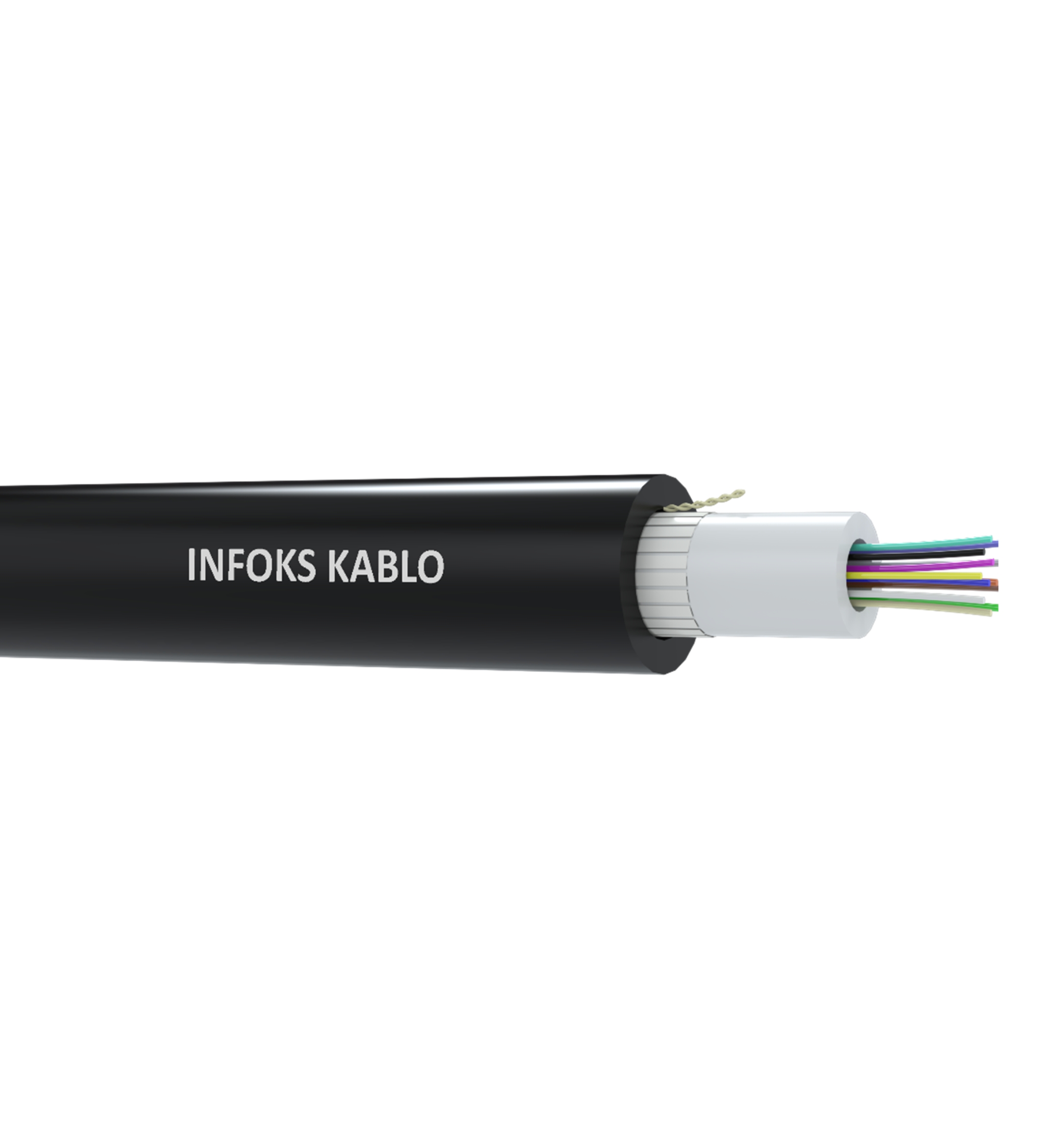
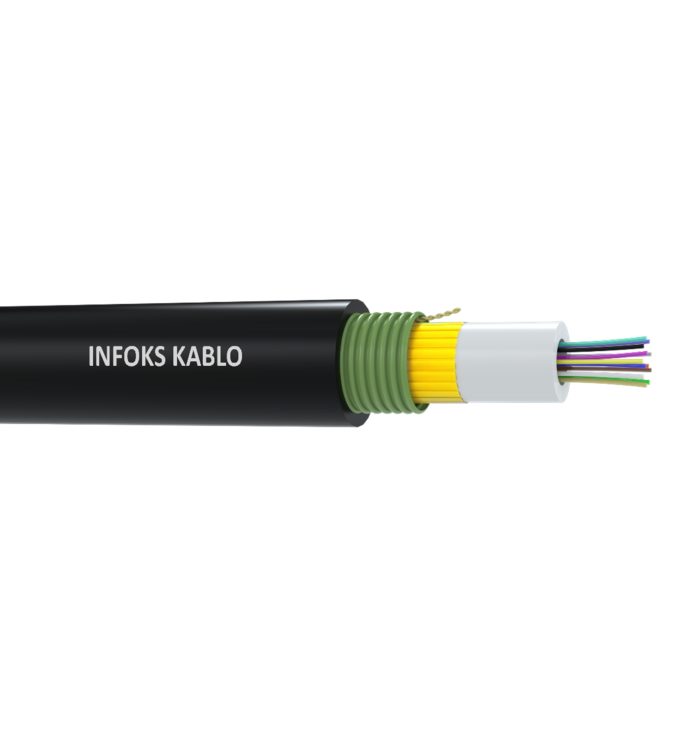
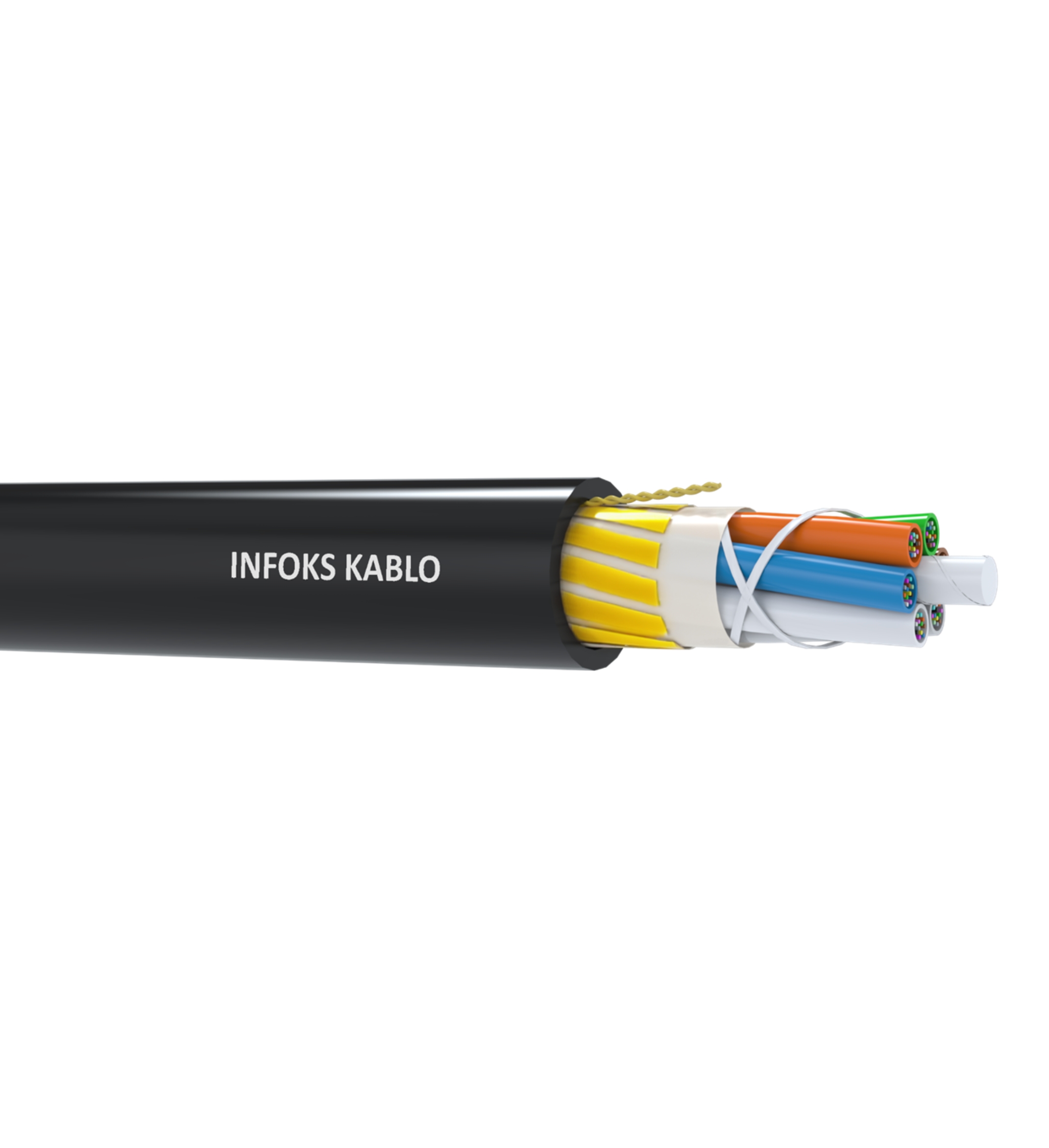
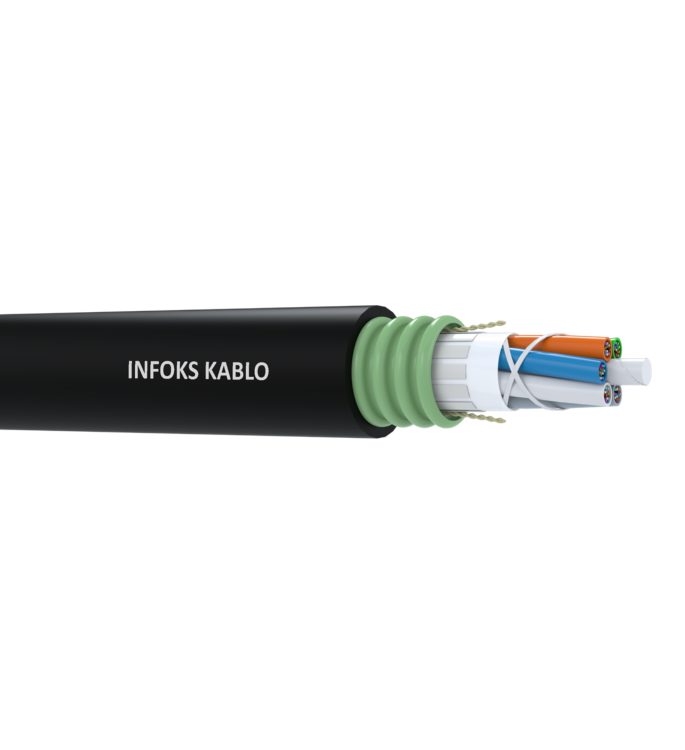
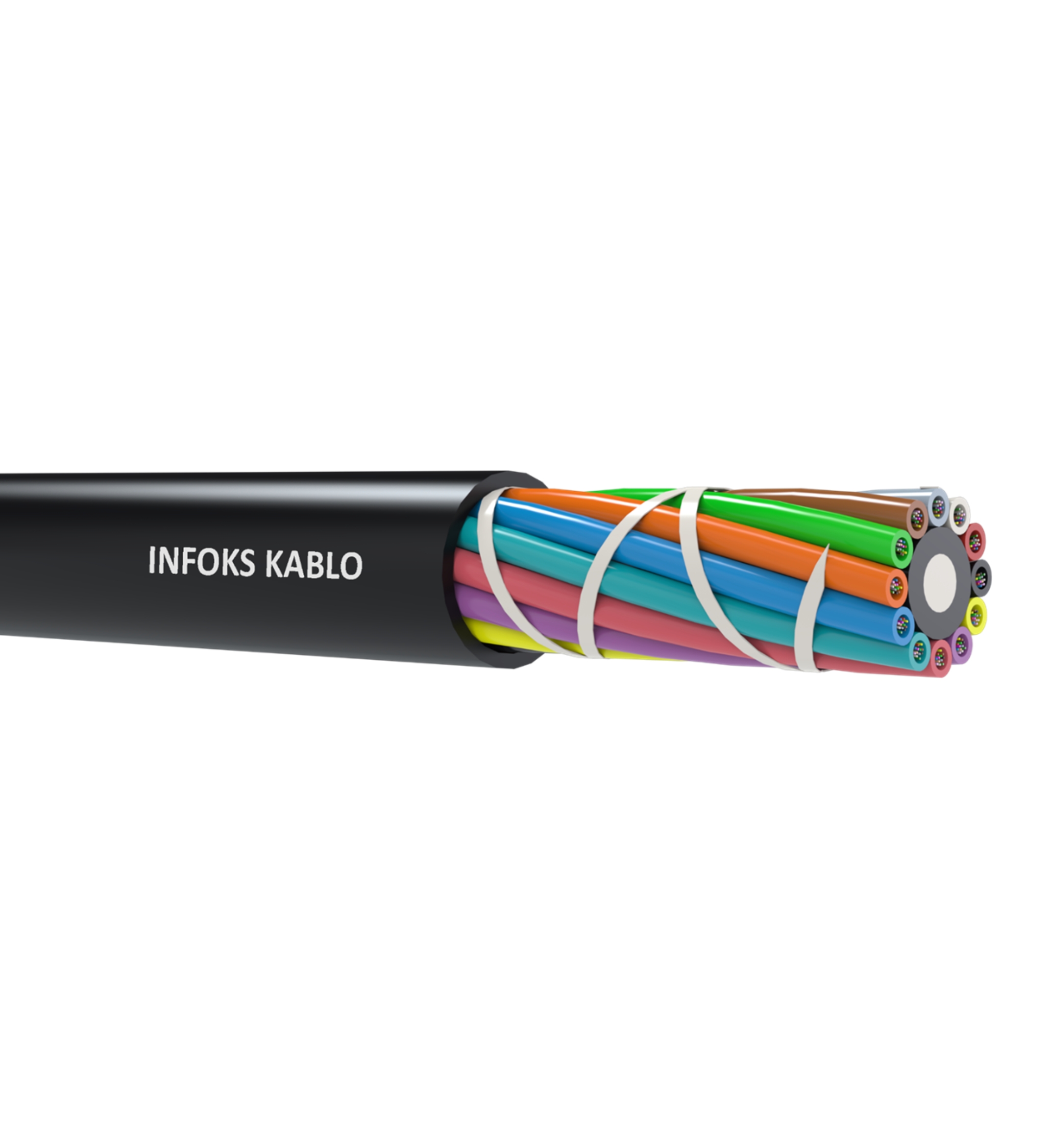
Microduct Cables are ultra-compact, lightweight fiber optic cables engineered for installation inside narrow microduct systems using blowing, jetting or pulling techniques. Designed for high-density access and distribution networks, these cables enable efficient use of duct space, reduce installation time, and support scalable fiber deployment in FTTx, metropolitan and campus infrastructures. Their optimized construction ensures stable transmission performance while maintaining low friction and excellent handling characteristics.
Microduct cables are widely used by telecom operators, ISPs, municipalities and smart-infrastructure developers seeking to expand capacity while minimizing civil works and maximizing duct utilization.
Performance Characteristics
Microduct cables combine high optical stability with mechanical properties tailored for demanding microduct environments. Typical design features include:
-
Ultra-small outer diameters suitable for 3 mm, 5 mm, 7 mm, 10 mm and 12 mm microducts
-
Single or multi loose tubes, depending on fiber count (12F to 288F in miniature formats)
-
Dry water-blocking yarns and tapes for clean handling and quick splicing
-
Low-friction HDPE jackets specifically formulated for blowing and jetting
-
FRP central strength elements for controlled stiffness and balanced flexibility
-
SZ-stranded tube designs to maintain mechanical uniformity during installation
-
Lightweight construction enabling long blowing distances with reduced air pressure
These features allow microduct cables to achieve long continuous installations, even in complex urban duct environments.
Application Scenarios
Microduct cables are used in a wide range of modern fiber networks, including:
-
FTTx access networks using bundled microduct systems for scalable fiber rollout
-
Urban and metropolitan networks requiring high duct density and minimal excavation
-
Building-to-building and campus networks where microduct pathways simplify upgrades
-
5G backhaul and fronthaul routes that require compact, future-proof fiber capacity
-
Underground and aerial microduct routes, depending on jacket class
-
Rural broadband deployments where small ducts reduce material and installation costs
-
Smart city infrastructure, such as IoT nodes, traffic control, surveillance and utility networks
The ability to blow additional microduct cables later makes these systems highly future-proof.
Design Advantages
Microduct cables offer a variety of operational and long-term infrastructure advantages:
-
Exceptional blowing performance due to low-friction surfaces and lightweight construction
-
High fiber density, maximizing capacity in limited duct space
-
Scalable network architecture — empty ducts can be filled on demand
-
Reduced civil works thanks to smaller duct diameters
-
Clean, gel-free construction simplifying splicing and maintenance
-
Long blowing distances lowering installation time and labor cost
-
Compatibility with all major microduct systems, including bundled and direct-buried ducts
-
Strong mechanical durability, despite their small diameters
These advantages make microduct cables one of the most efficient solutions for modern FTTx and urban fiber deployments.