
Description
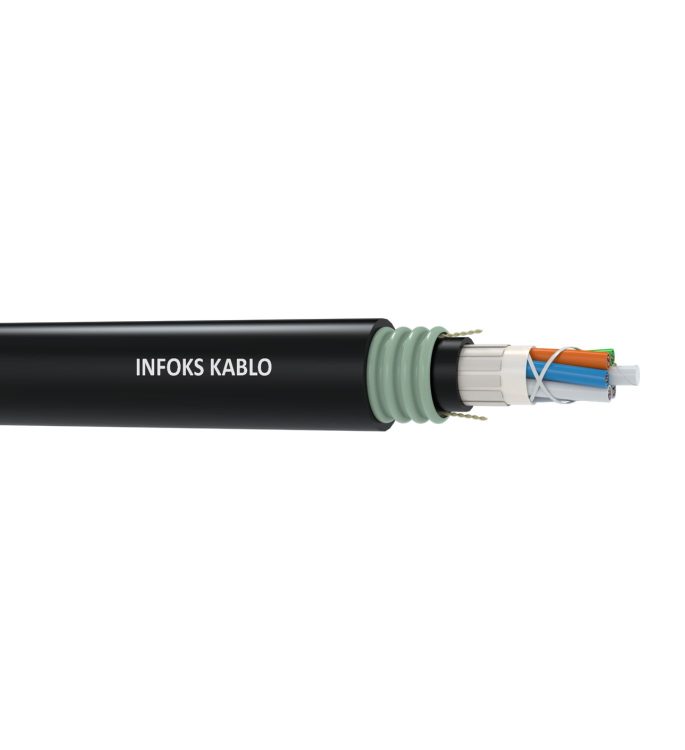
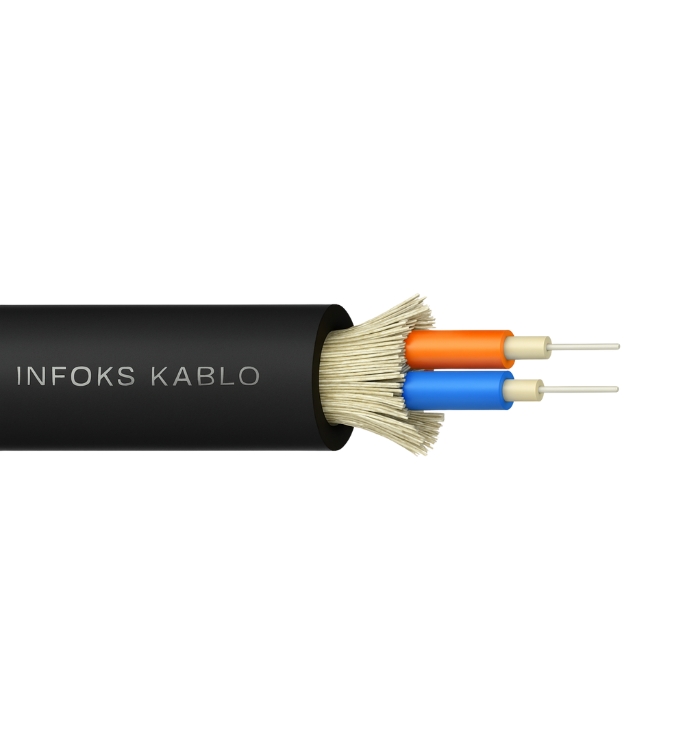
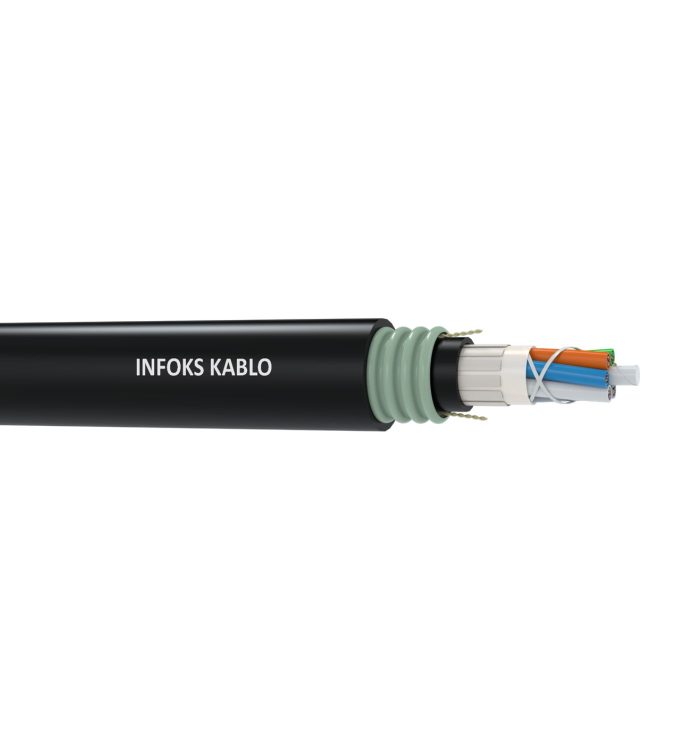
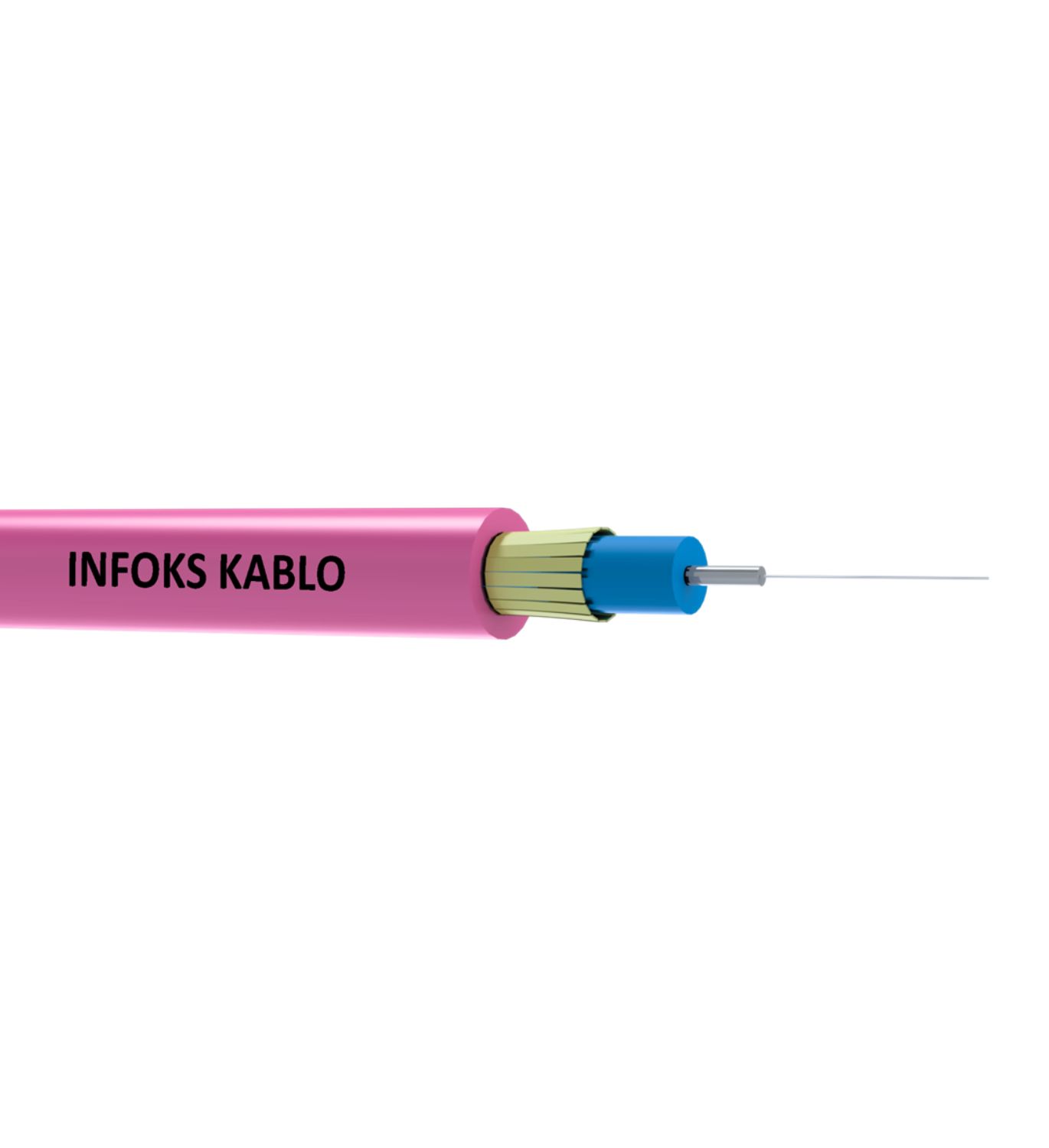
Drop Cables are the final connection segment in fiber-to-the-home (FTTH) and fiber-to-the-building (FTTB) networks, delivering reliable optical transmission from distribution points directly to customers’ premises. These cables are engineered to be compact, flexible and durable, with mechanical properties optimized for frequent handling, tight bending areas and indoor–outdoor transition environments. Their construction ensures stable, low-loss signal delivery across the “last-mile” portion of the network where installation conditions can vary widely.
Designed for telecom operators, ISPs, contractors and FTTH network builders, drop cables support fast installation, easy termination and long-term reliability in both residential and commercial deployments.
Drop cables combine optical stability with mechanical resilience through specialized constructions such as:
-
Flat drop cable designs with parallel strength members for improved bending performance
-
Self-supporting (Figure-8 style) drop cables for short aerial spans between poles and buildings
-
Round drop cables optimized for duct entry and patch panel routing
-
Bend-insensitive fibers (G.657.A1/A2) ideal for indoor installation, wall routing and tight radii
-
FRP or steel wires as strength elements depending on the required tensile performance
-
UV- and weather-resistant PE jackets for outdoor segments of the route
Water-blocking components, depending on the design, ensure stable operation in humid or moisture-prone outdoor transition points.
Application Scenarios
Drop cables are used in a variety of access and last-mile FTTH deployments:
-
Household fiber connections from poles, façades or distribution taps
-
Building entry points for FTTB systems
-
Aerial-to-premises installations using self-supporting drop cables
-
Microduct-fed last-mile segments
-
Wall-mounted indoor routing thanks to compact and bend-insensitive construction
-
Rural broadband networks where long-distance drops require enhanced tensile strength
Their adaptability to aerial, façade-mounted, duct-fed and indoor pathways makes drop cables essential for flexible and scalable FTTH rollouts.
Design Advantages
Key advantages of modern fiber drop cables include:
-
Compact and lightweight structure for easy handling
-
Parallel strength members (FRP or steel) for controlled tensile behavior
-
UV-resistant outer jacket ensuring stable outdoor performance
-
Compatibility with a wide range of connectors and termination methods
-
Low-smoke zero-halogen (LSZH) inner jacket options for safer indoor usage
-
Hybrid aerial/self-supporting options for pole-to-home drops
These attributes enable fast installation, low maintenance and dependable connection quality in FTTH networks.